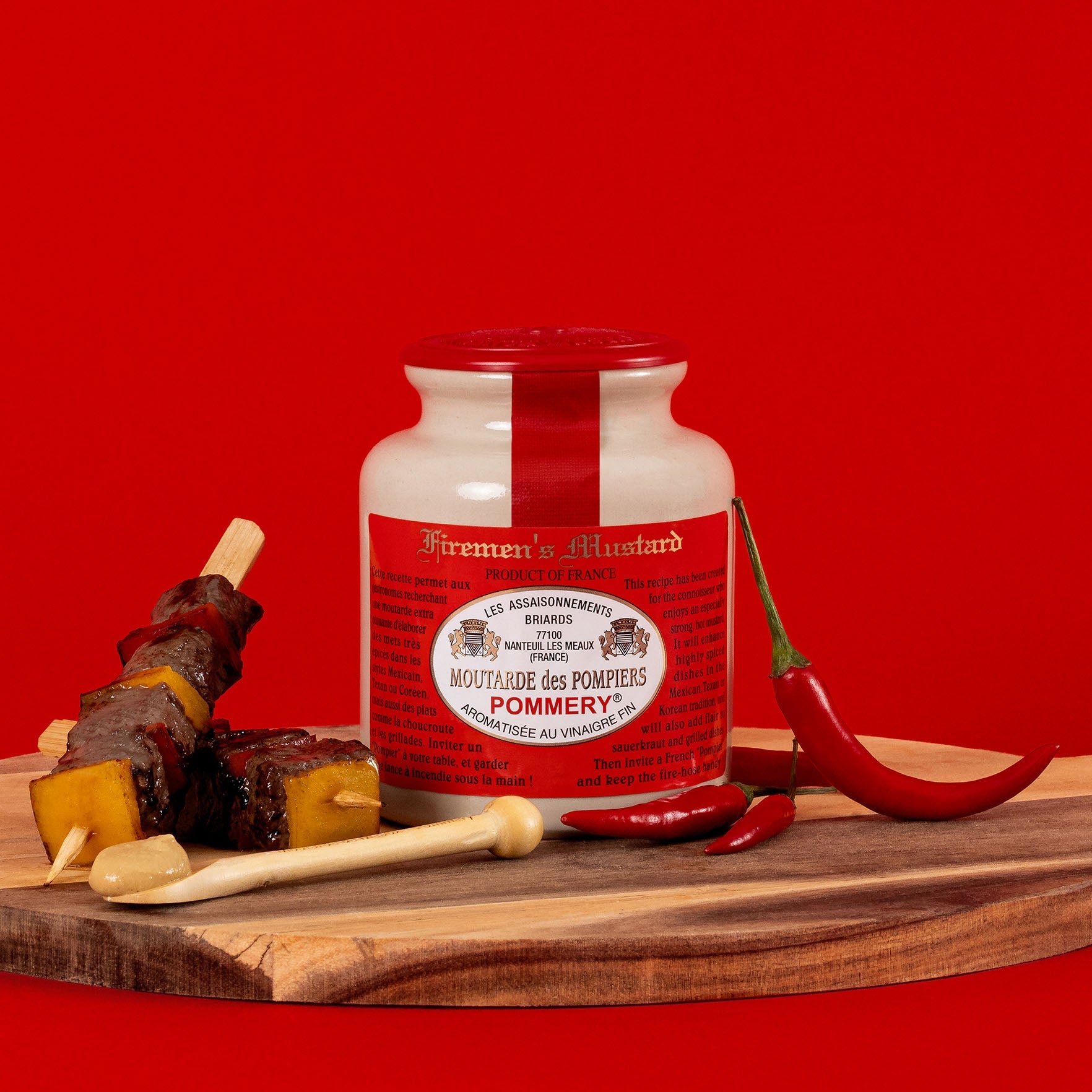
Mustard is far more than a simple condiment — it holds a surprising culinary versatility. That little jar sitting in your fridge has many talents: emulsifying, thickening, caramelising, bringing out flavours...
From perfectly emulsifying a vinaigrette to creating a golden crust on a roast, mustard proves itself a true Swiss Army knife of the kitchen. Let's explore together 20 creative techniques for making the most of this age-old condiment and transforming your everyday dishes.
Essential basic techniques with mustard (5 ways)
1. A natural emulsifier for vinaigrettes
Mustard has an exceptional natural emulsifying power that perfectly stabilises the union between oil and vinegar. This property comes from the mucilage contained in mustard seeds, which acts as a natural binding agent.
- Optimal ratio: 1 teaspoon to 3 tablespoons of oil. Start by mixing the mustard with the vinegar, add salt and pepper, then whisk in the oil in a thin stream. Your vinaigrette will stay well blended for several hours, unlike a simple mix, which separates instantly. This technique works with any oil and any vinegar.
2. A base for quick marinades
Mustard excels as a marinade base thanks to its ability to penetrate meat quickly while clinging to it perfectly. Its consistency allows it to stay in prolonged contact with the food, unlike liquid marinades, which just run off.
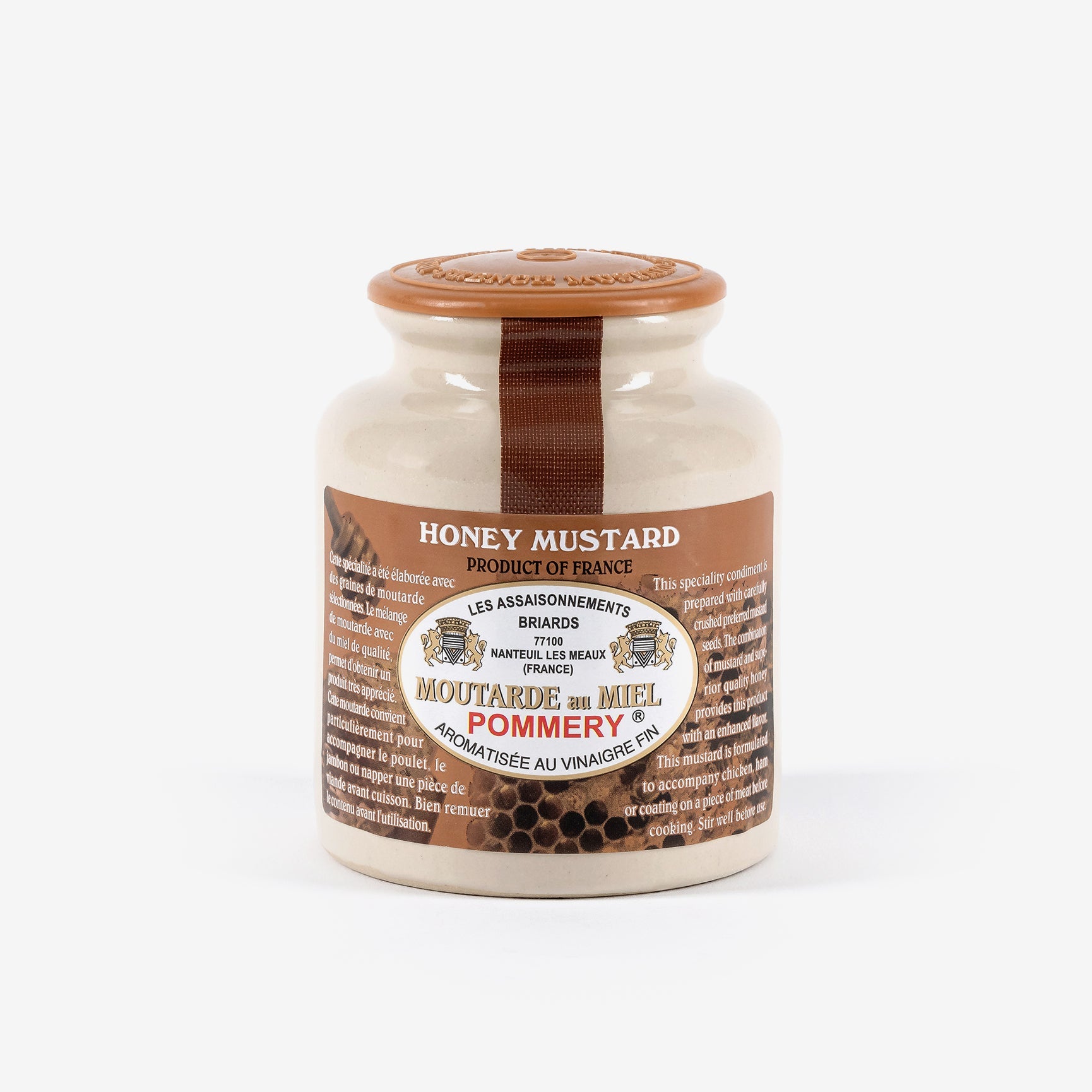
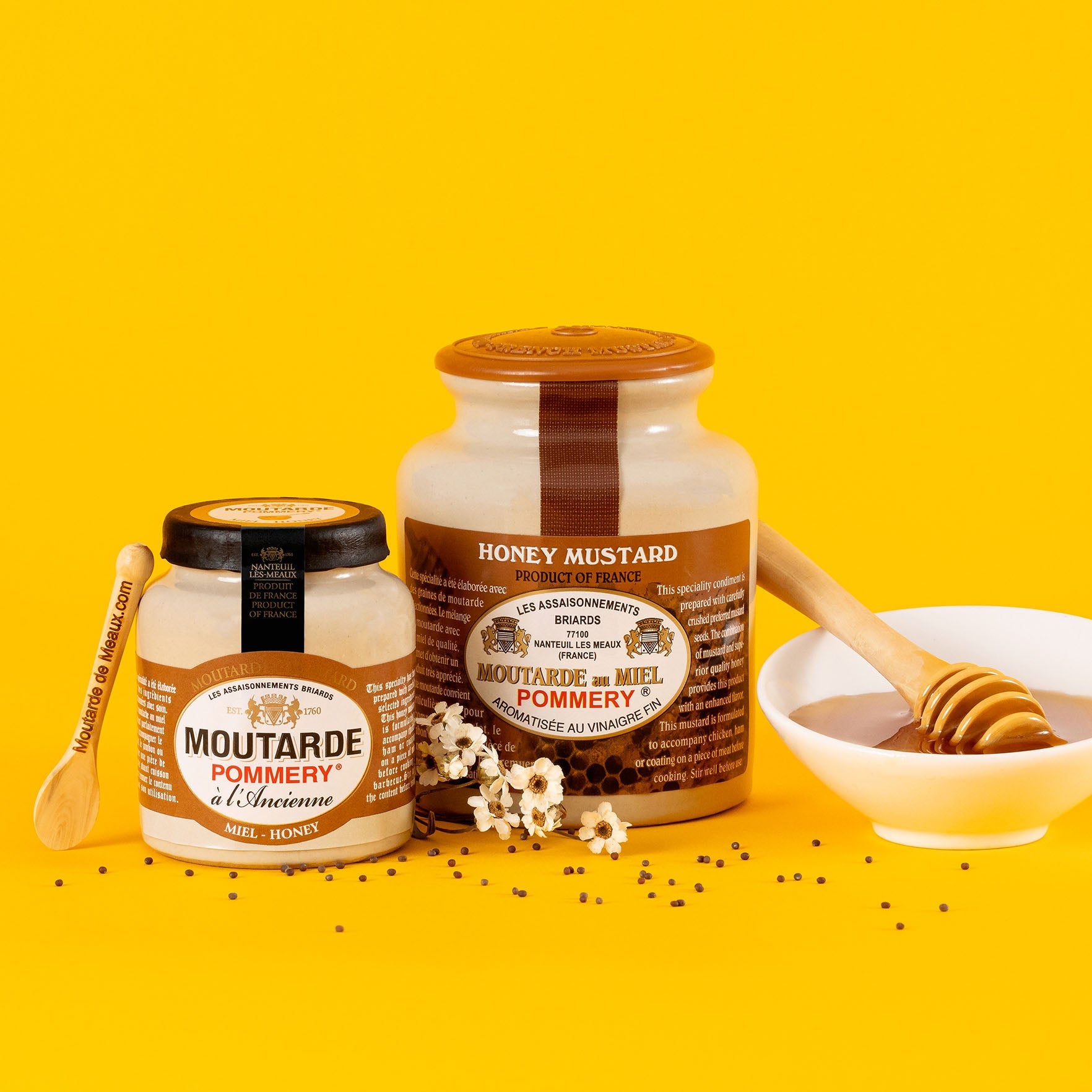
- Mixed with olive oil, fresh herbs and spices, it creates effective marinades in just 30 minutes. For pork, honey mustard brings sweetness and caramelisation. Poultry pairs well with tarragon mustard, while red meat reveals its character with a Cognac mustard. Tip: massage generously to help the flavours penetrate.
3. A thickener for hot sauces
Mustard is a natural alternative to traditional thickeners such as flour or starch. Its binding power works beautifully in hot sauces, creating a smooth texture without weighing down the flavour.
- Crucial technique: always add the mustard off the heat, to stop it breaking down under excessive heat. One to two tablespoons are enough to thicken a sauce for four people. Whisk vigorously to incorporate it well, then return to a low heat if needed. This method transforms white wine sauces, beurre blanc and cream sauces.
Discover our Pommery® Royale® mustard with Cognac for your refined sauces
4. A golden glaze for roasted meats
A mustard glaze transforms the look and taste of your roasts, creating an appetising golden crust. This technique relies on the caramelisation of the natural sugars in mustard under heat.
- Essential timing: brush your roasts 15 to 20 minutes before the end of cooking. The mustard caramelises gradually, developing complex aromas while protecting the meat from drying out. A leg of lamb is elevated with herb mustard, while a beef roast reveals its nobility with Royale Cognac mustard. This technique also works with poultry: a chicken brushed with honey mustard develops an irresistible golden skin.
5. A flavour-enhancing seasoning for vegetables
Mustard reveals and enhances the sometimes bland flavours of certain vegetables. Its natural acidity wakes up the taste buds, while its heat brings character to the simplest of preparations.
- For grilled vegetables, brush them with mustard before cooking: courgettes, aubergines and peppers develop unexpectedly rich flavours. Steamed vegetables gain flavour with a few spoonfuls of tarragon mustard added to the finishing butter. A spoonful of mustard in mashed potatoes creates a characterful side dish that stands out from the ordinary.
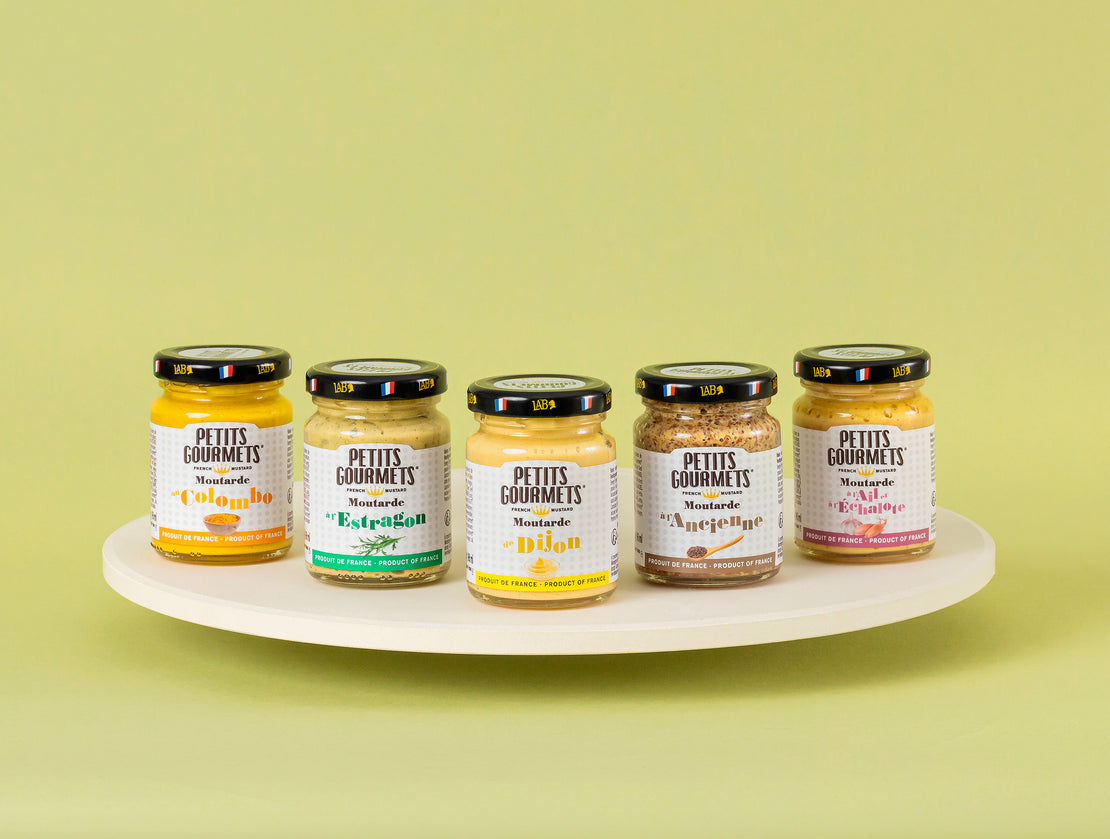
Bring out your vegetables' flavour with our Petits Gourmets® tarragon mustard
Creative and original preparations (8 ways)
6. A herb crust for fish
Mustard makes the perfect base for creating protective, flavourful crusts on fish. Mixed with breadcrumbs and fresh herbs, it clings perfectly to fillets and develops an irresistible contrast in texture.
- Technique: mix 2 spoonfuls of mustard, 4 spoonfuls of fine breadcrumbs and chopped herbs (parsley, dill, basil). Brush the fish with plain mustard, then press the breadcrumb-and-herb mixture onto the surface. This crust protects the delicate flesh while creating a contrast of textures. Lemon & basil mustard excels with white fish such as sole or cod.
7. Homemade flavoured butter
Working mustard into softened butter creates exceptional compound butters that keep for several weeks in the fridge. This preparation has countless uses: on toast, to finish grilled dishes, or with steamed vegetables.
- Ideal ratio: 100g of butter to 1-2 spoonfuls of mustard, depending on the intensity you want. Work the butter at room temperature, gradually incorporate the mustard, then roll in cling film. Garlic and shallot mustard makes a perfect butter for snails, while honey mustard elevates root vegetables.
8. A revisited mayonnaise
Partly or fully replacing the egg with mustard in a mayonnaise transforms this classic sauce. Mustard brings both emulsifying power and flavour, creating a lighter, easier-to-digest version.
- Simplified technique: whisk 2 spoonfuls of mustard with 1 spoonful of vinegar, then whisk in the oil as you would for a traditional mayonnaise. The result has a firmer texture and a more pronounced flavour, perfect for potato salads or hearty sandwiches.
Create your butters and sauces with our Petits Gourmets® garlic and shallot mustard
9. A spiced savoury pastry
Working mustard directly into shortcrust pastry transforms your savoury tarts. This technique brings character from the very first bite and pairs perfectly with cheese, vegetable or charcuterie fillings.
- Ratio: 1 spoonful of mustard per 200g of flour in your usual recipe. Add the mustard with the eggs or the binding liquid. This pastry develops an appetising golden colour and a subtle flavour that doesn't overpower the filling. Ideal for quiche Lorraine or Mediterranean vegetable tarts.
10. Quick chutneys and compotes
Mustard makes an excellent base for improvised chutneys. Its acidity and natural spices speed up the transformation of fruit and vegetables into flavourful condiments.
- Quick method: sauté sliced onions, add chopped fruit or vegetables, 2 spoonfuls of mustard and a little sugar. Leave to stew for 15 minutes. This technique works with apples, pears, cherry tomatoes or courgettes. The result is a perfect accompaniment to terrines, cheeses or cold meats.
11. Potato salad dressing
Replacing traditional mayonnaise with a mustard-based dressing turns potato salad into a lighter, easier-to-digest version. Wholegrain mustard adds a much-loved crunch of seeds.
- Preparation: mix 3 spoonfuls of mustard, 2 spoonfuls of olive oil, 1 spoonful of vinegar and fine herbs. Pour over warm potatoes for better absorption. This dressing brings out the flavours without weighing the dish down, unlike traditional mayonnaise-based versions.
12. Creamy vegetable soup
Mustard transforms a simple vegetable soup into a smooth, creamy velouté without adding any cream. Its natural binding power creates a silky texture while bringing out the flavour of the vegetables.
- Technique: at the end of cooking, add 1-2 spoonfuls of mustard off the heat, then blend until smooth. The mustard blends in perfectly and adds body without masking the taste of the vegetables. Particularly good with squash, parsnips or broccoli.
13. A creamy finish for slow-cooked dishes
Adding a spoonful of mustard at the end of cooking slow-cooked dishes (stews, daubes, blanquettes) transforms the sauce, creating a natural thickening and a remarkable depth of flavour.
- Key moment: always off the heat, to preserve the mustard's properties. This technique particularly elevates pork, veal or poultry dishes. The sauce gains in creaminess and character without any extra heaviness.
Perfect your slow-cooked dishes with our Moutarde de Meaux® Pommery®
Chef's techniques and professional tips (7 ways)
14. Deglazing the pan
Mustard is excellent for deglazing the caramelised juices at the bottom of pans and casseroles. It dissolves the cooking residue perfectly while instantly creating a flavourful sauce, with no extra liquid needed.
- Technique: after cooking meat or vegetables, remove them and add 1-2 spoonfuls of mustard directly into the still-hot pan. Scrape up the caramelised bits with a wooden spatula; the mustard blends naturally with them. Thin with a little stock or wine if needed. This method turns cooking juices into gourmet sauces.
15. A hot emulsion for whisked sauces
Chefs use mustard to stabilise delicate whisked sauces such as beurre blanc. It prevents the sauce from splitting while adding an exceptional depth of flavour.
- Professional technique: to your shallot-and-white-wine reduction, add 1 spoonful of mustard off the heat, then whisk in cold butter, a small piece at a time, whisking vigorously. The mustard keeps the emulsion stable even if you need to reheat it slightly. This trick turns temperamental sauces into guaranteed successes.
16. Fragrant confit vegetables
Slow-cooking vegetables with mustard creates melt-in-the-mouth confits with penetrating aromas. This chef's technique turns ordinary vegetables into gourmet side dishes.
- Method: coat your vegetables (fennel, chicory, leeks) in mustard and olive oil, and bake at 150°C (300°F) for 45 minutes to 1 hour. The gentle cooking allows the mustard to penetrate the fibres without evaporating. The result is exceptionally tender confit vegetables. Herbes de Provence mustard is particularly wonderful in this preparation.
Elevate your confit vegetables with our Pommery® fine herb mustard
17. A light, crispy batter
Chef's secret: adding a spoonful of mustard to tempura or fritter batter considerably improves the final texture. Mustard affects the structure of the batter and helps it turn out crisper.
- Technical tip: in your usual batter, add 1 spoonful of mild mustard along with the liquids. It helps create a lighter batter that clings better to food and develops a perfectly crisp, golden finish. Especially effective for vegetable fritters or fish tempura.
18. A sophisticated salted caramel
Mild mustard transforms a simple salted-butter caramel into a complex, gourmet sauce. This pastry chef's technique creates a remarkably sophisticated sweet-salty-spiced balance.
- Preparation: make your usual caramel, add butter and cream, then 1 spoonful of honey mustard off the heat. The result has a surprising depth of flavour, perfect for topping ice cream, poached pears, or serving alongside foie gras. This sauce keeps for several days in the fridge.
19. An all-purpose sauce base
Making a mustard-based sauce foundation means you always have a flavourful base ready to adapt. This chef's preparation makes everyday culinary improvisation easier.
- All-purpose base: mix 4 spoonfuls of mustard, 2 spoonfuls of olive oil, 1 spoonful of vinegar, salt and pepper. This base keeps for a week and can be varied endlessly: add fresh herbs, cream, white wine or stock as needed. One spoonful is enough to turn a steamed dish into a flavourful one.
20. A glossy finish for your dishes
A professional presentation technique: a light mustard glaze at the end of cooking gives an appetising shine and a memorable final taste. This finish visually transforms your dishes.
- Application: just before serving, lightly brush your meat or fish with a thin layer of mustard diluted in a little oil. Flash under the grill for a few seconds to develop the shine. This chef's technique gives all your dishes a professional finish.
These 20 techniques reveal mustard's exceptional versatility in the kitchen. From basic emulsifying to gourmet finishing touches, it proves itself an essential creative ally. Don't hesitate to experiment, adjust quantities to your taste, and combine several techniques in the same dish. Mustard is just waiting for your creativity to reveal unexpected flavours and turn your everyday dishes into memorable creations. Culinary art lies in boldness: dare to take mustard beyond the traditional — your palate will thank you!