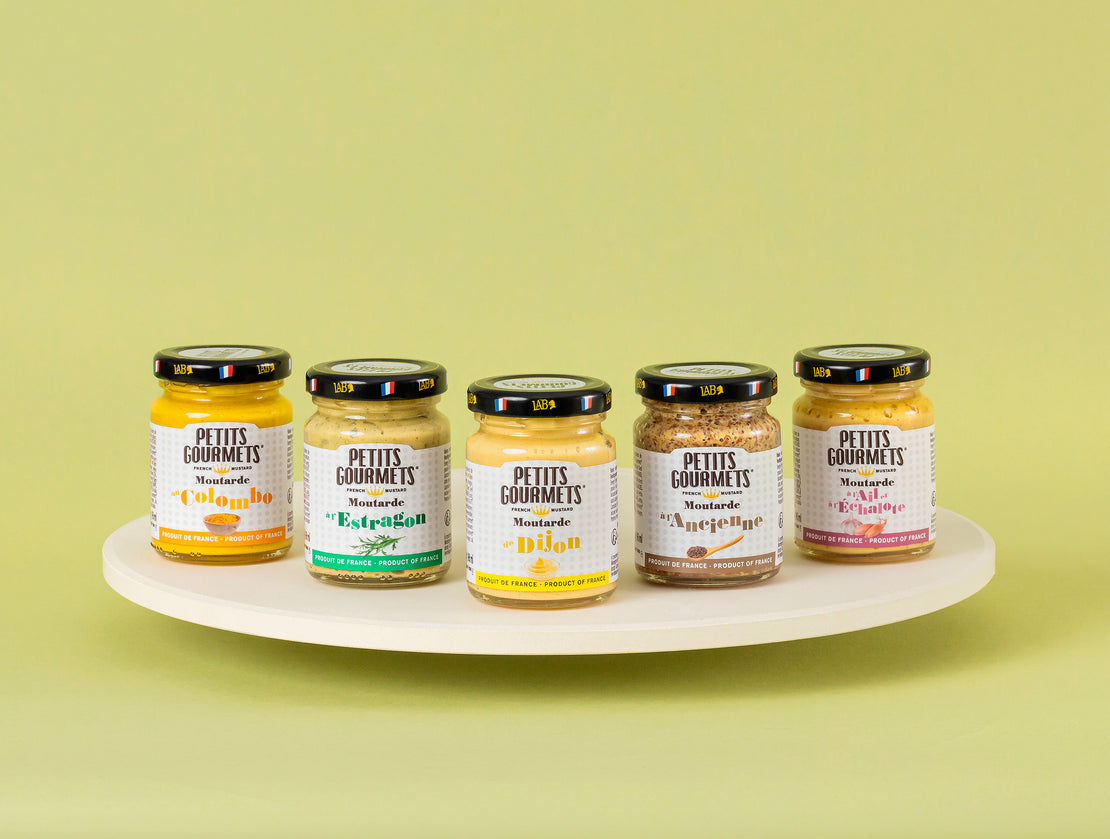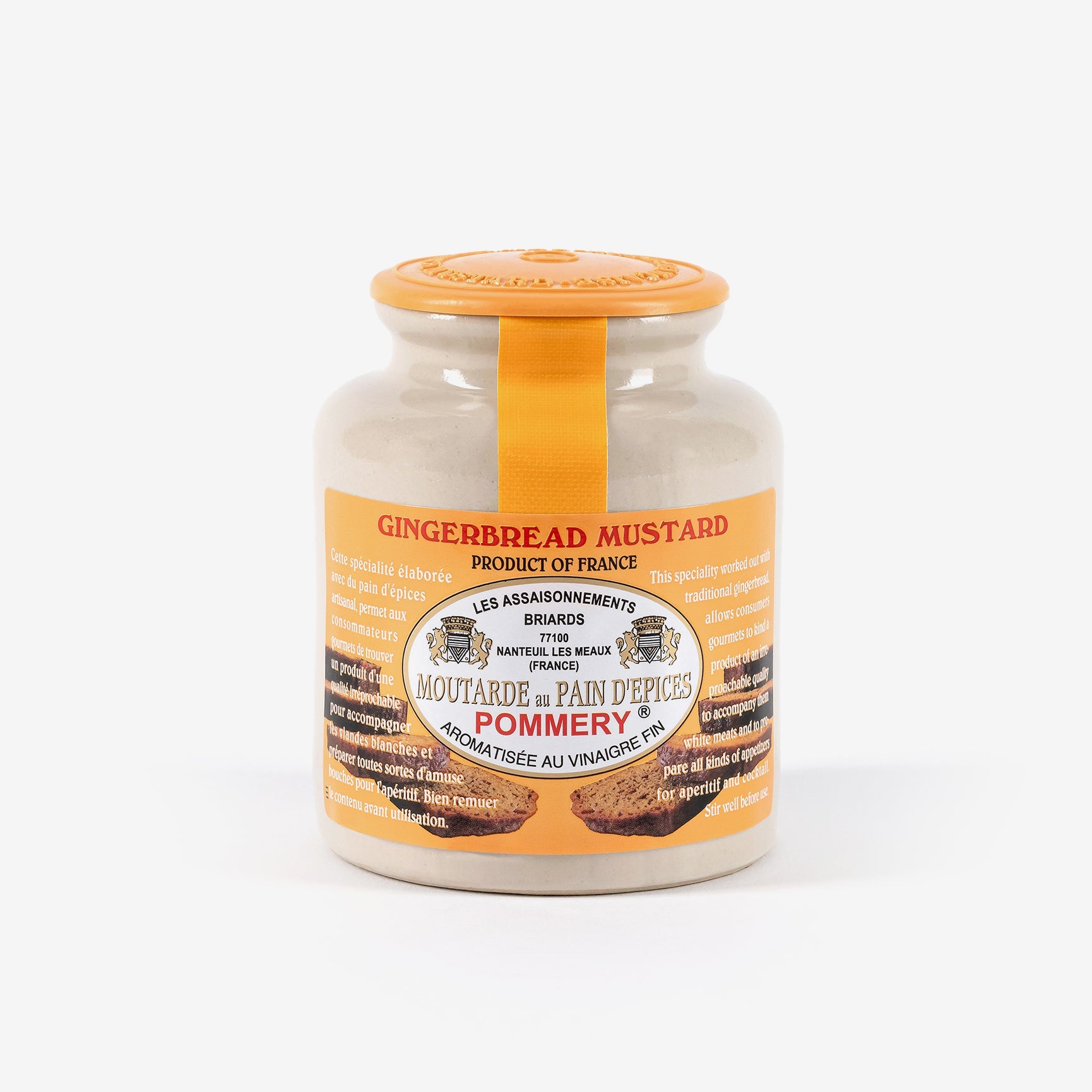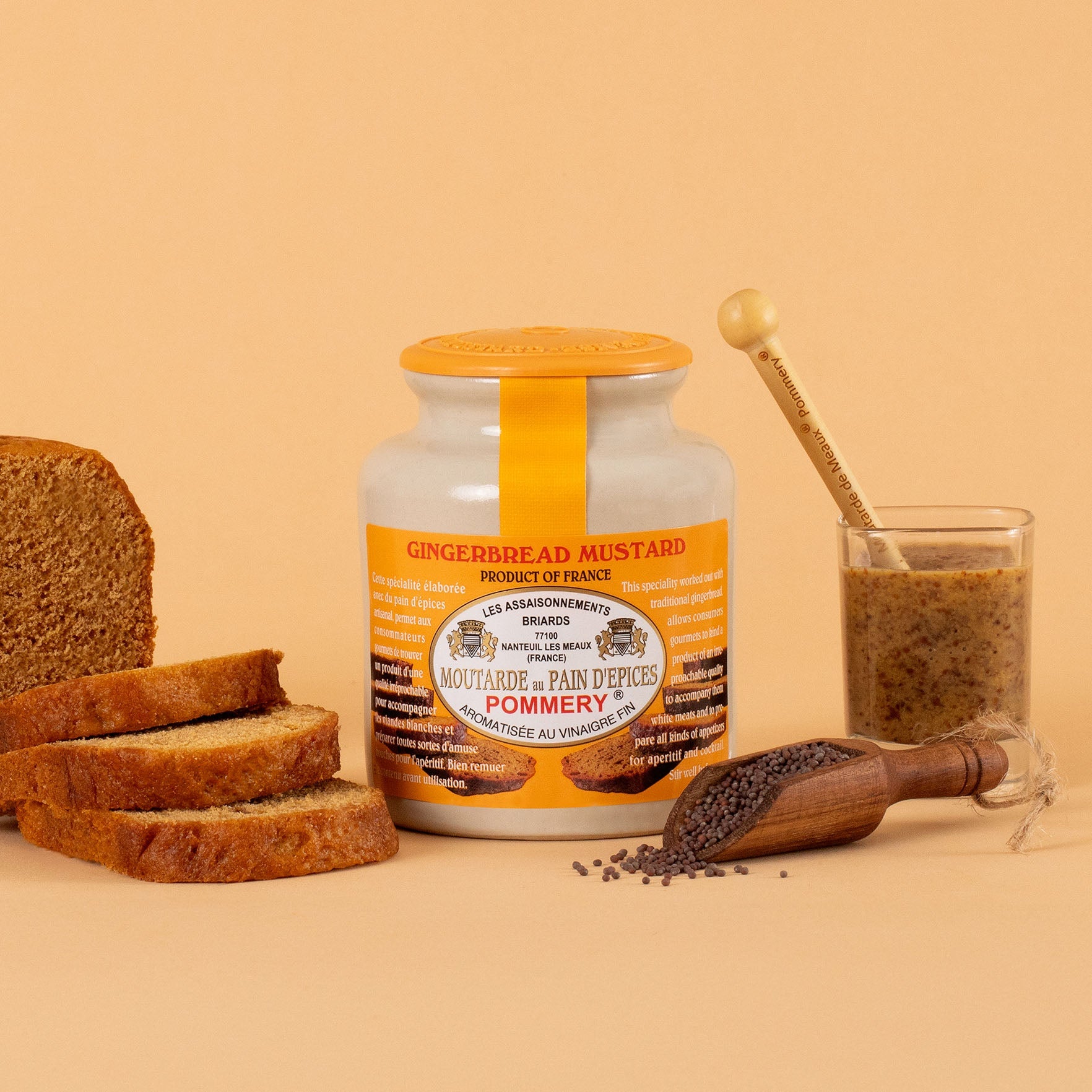

Indispensable in our kitchens, mustards are much more than just a "hot" condiment . Texture, strength, aromatics, the origin of the mustard seeds , the role of vinegar or verjuice … every detail changes the taste, the creaminess, and the pairings. This guide helps you understand the differences between types of mustard—and above all, choose the right one for each dish (meat, fish, vegetables, vinaigrette, marinade, cooking…).
The different varieties of mustard and their specific characteristics
Dijon mustard : the absolute benchmark
Dijon mustard is the most well-known: fine, smooth, often spicier , and ideal for adding a kick to cooking. Contrary to popular belief, "Dijon" primarily refers to a style (smooth mustard, controlled strength, clean profile), not necessarily the origin of the seeds.
Recommended for:
-
a well-emulsified vinaigrette (it “clings” to the oil and vinegar),
-
quick sauces (cream + Dijon = a sure thing),
-
a quick marinade (poultry, pork, tofu).
Old-fashioned mustard (or whole-grain mustard )
Recognizable by its partially whole grains, old-fashioned mustard offers a "crunchy" texture and a generally more rounded intensity. Because the seeds are less finely ground, the spiciness develops differently: less immediate, more gradual, with a real depth of flavor.
It's perfect for:
-
a crust (on a roast, a salmon fillet),
-
a rustic sauce (poultry, sausages, roasted vegetables),
-
a premium sandwich (ham, pastrami, cheeses).
Note: Meaux mustard is an emblematic form of grain mustard , with a generous and gourmet character, highly appreciated with meats, terrines and cheese platters.
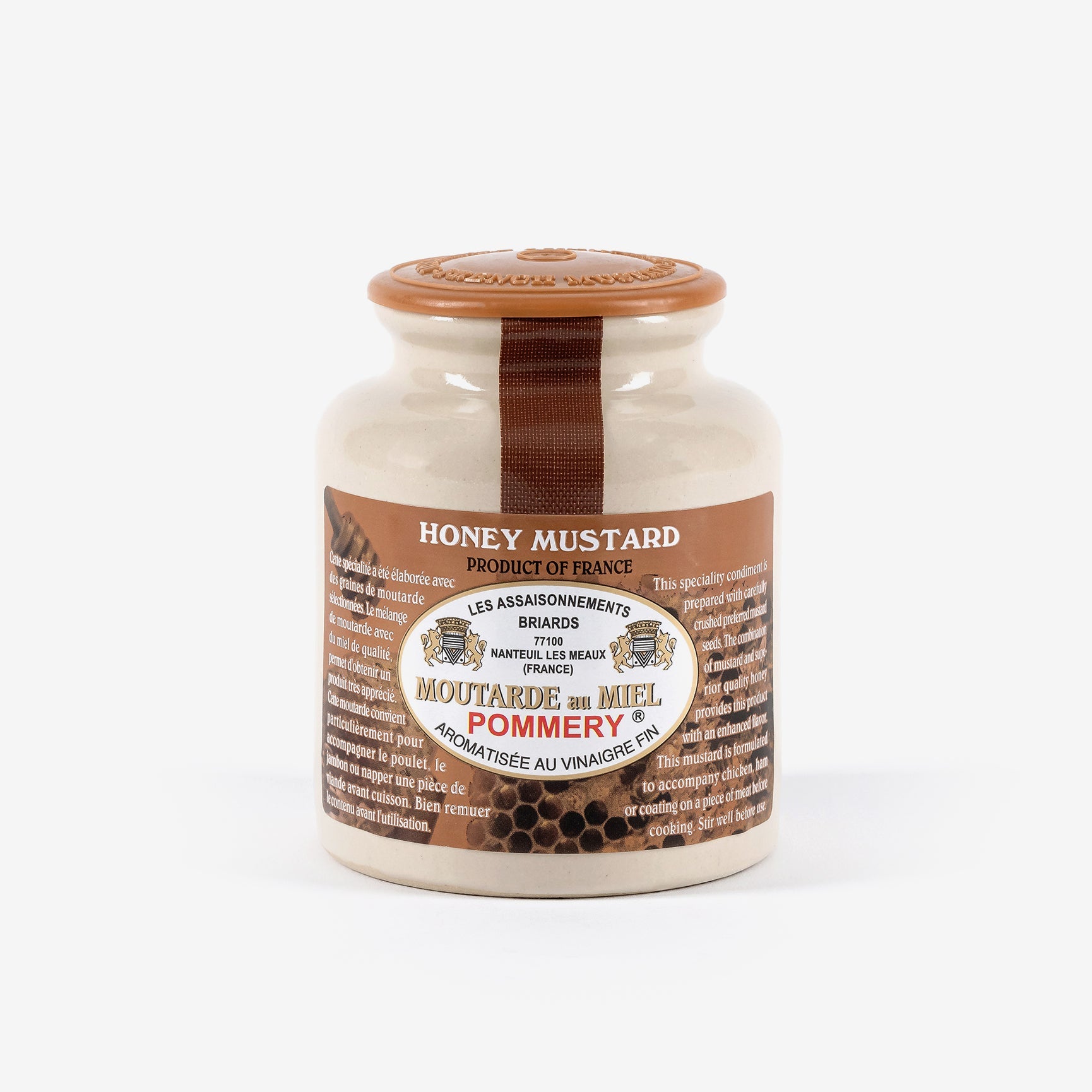
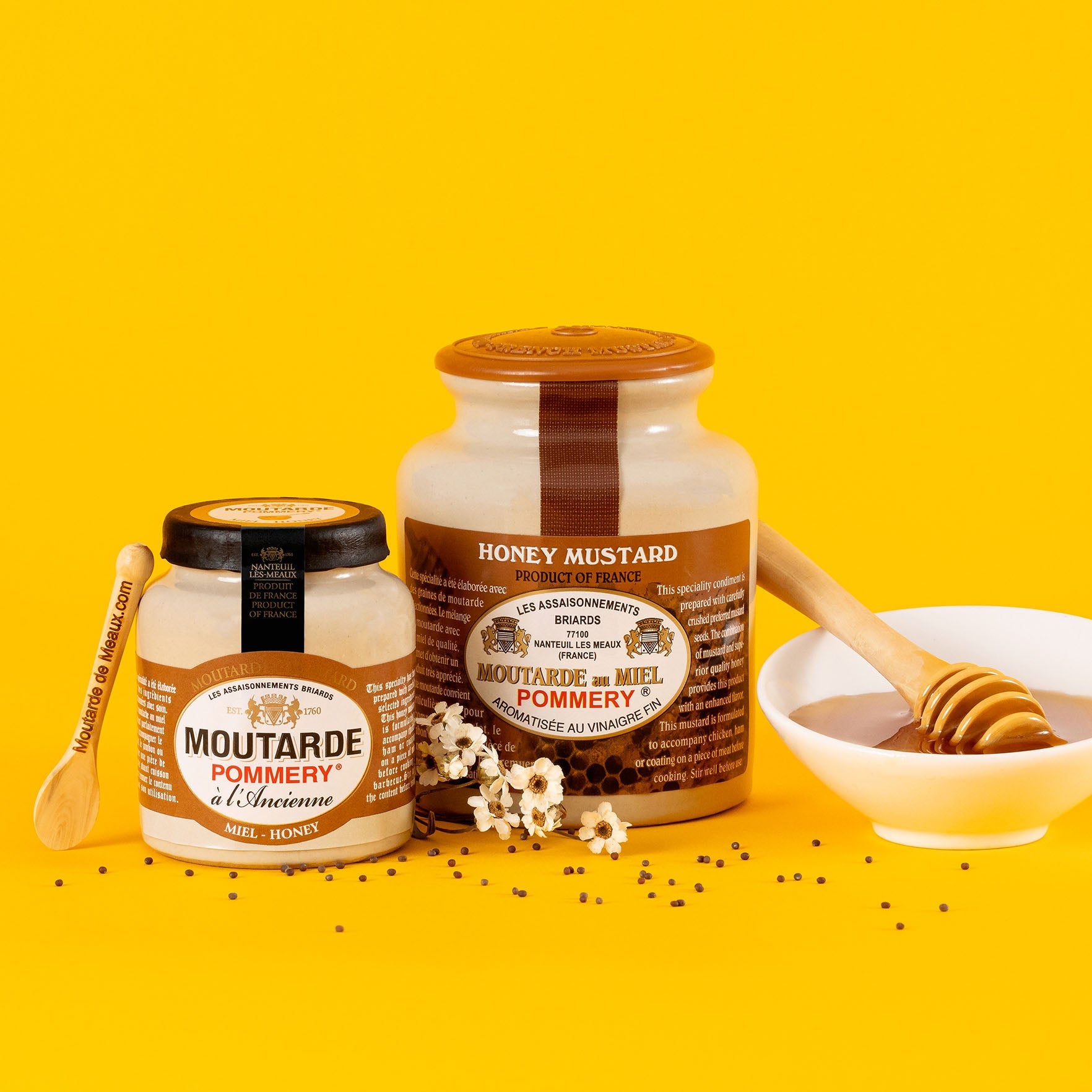
Mild mustard and honey mustard
Less aggressive, they appeal to those who want the taste of mustard without the overpowering heat. Mild mustard focuses on balance and a more mellow sensation. Honey mustard (often slightly sweet) works very well in sweet and savory recipes.
Ideas for uses:
-
sauce for homemade nuggets, tenders, raw vegetables
-
glazing (coating) of carrots, sweet potatoes, ribs,
-
dressing for coleslaw, apple salad, chicken salad.
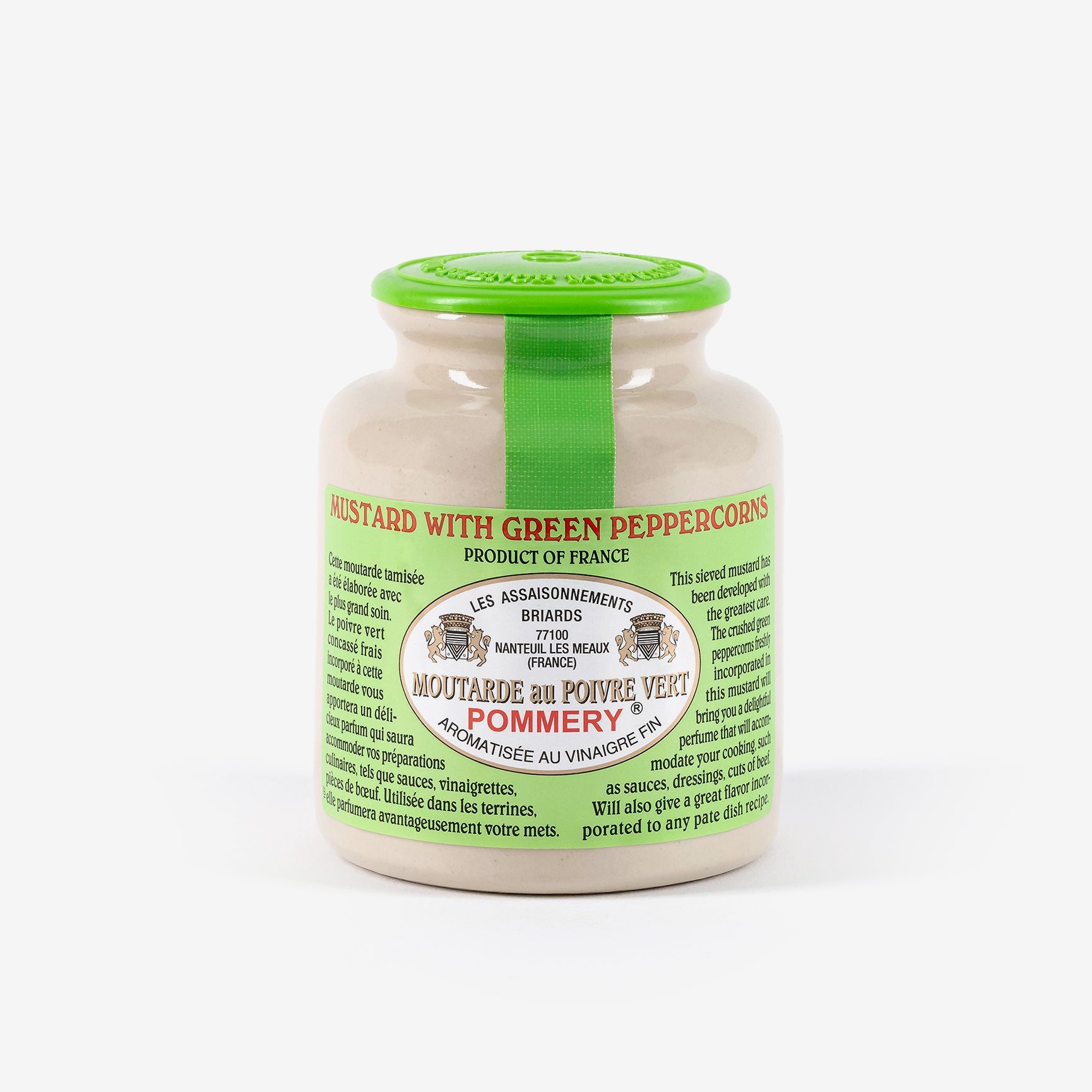
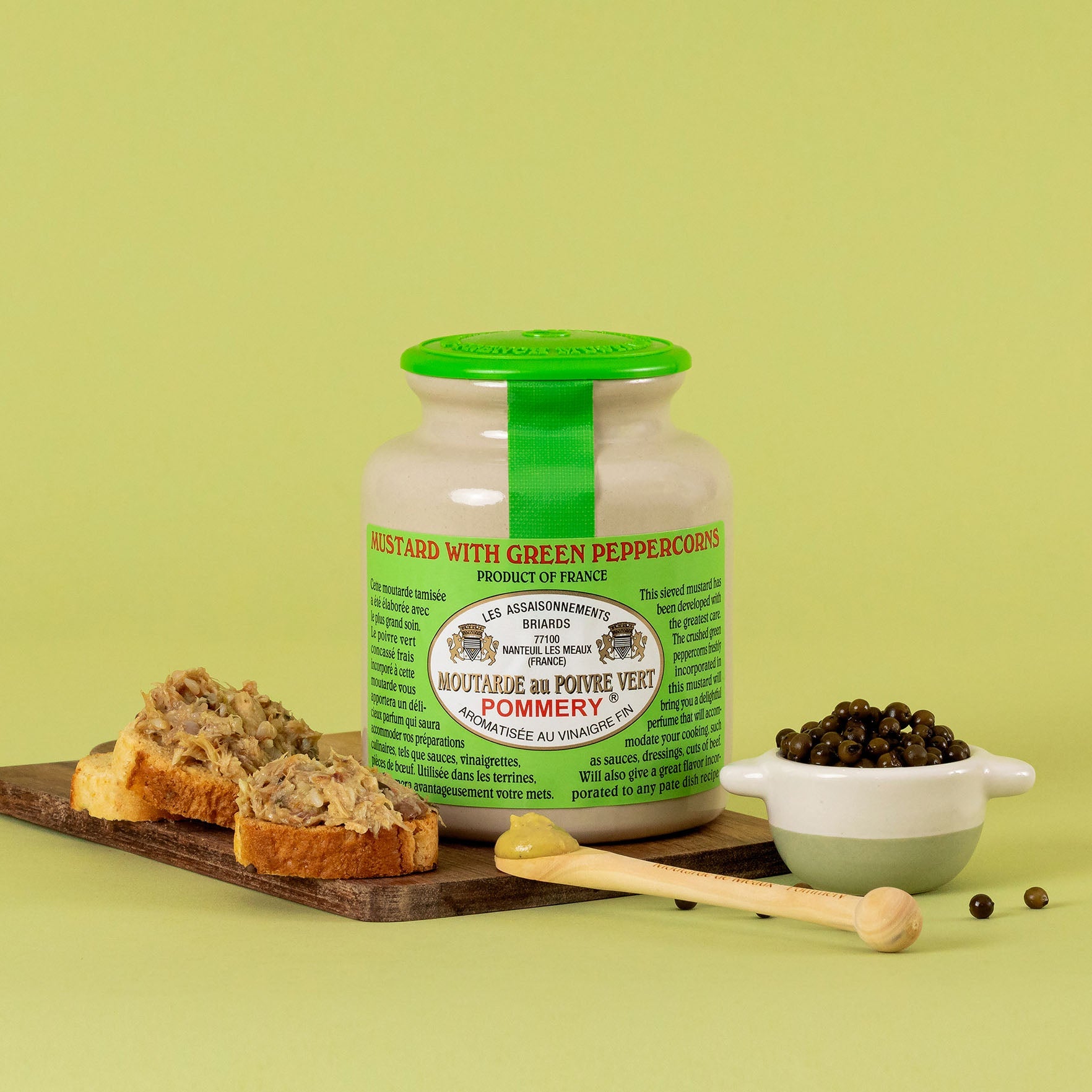
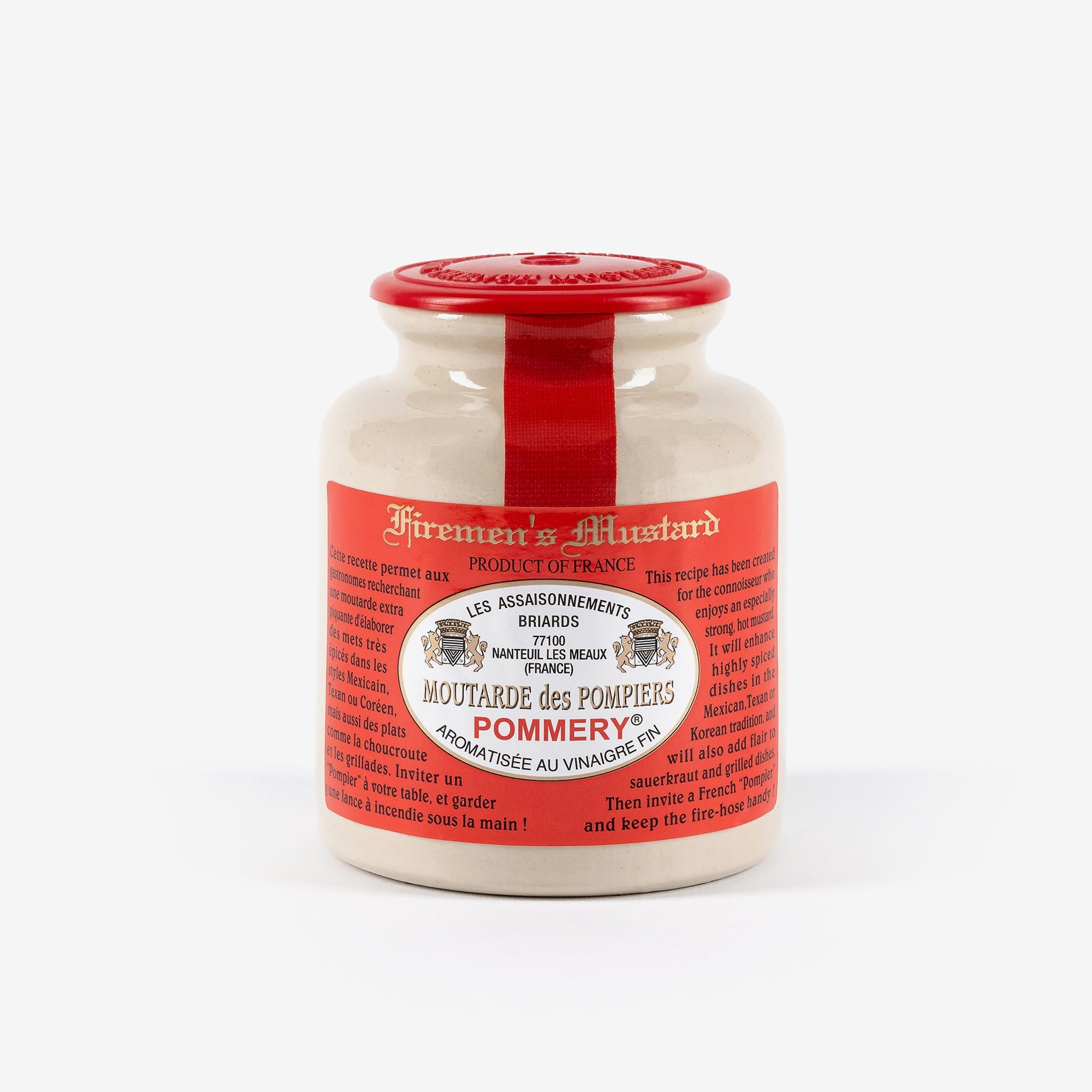
Flavored mustards (tarragon, chili pepper, blackcurrant...)
Flavored mustards play the character card: herbaceous, fruity, smoky, spicy… They allow you to change a dish without reinventing everything.
Some simple agreements:
-
tarragon : poultry, eggs, white fish, homemade mayonnaise
-
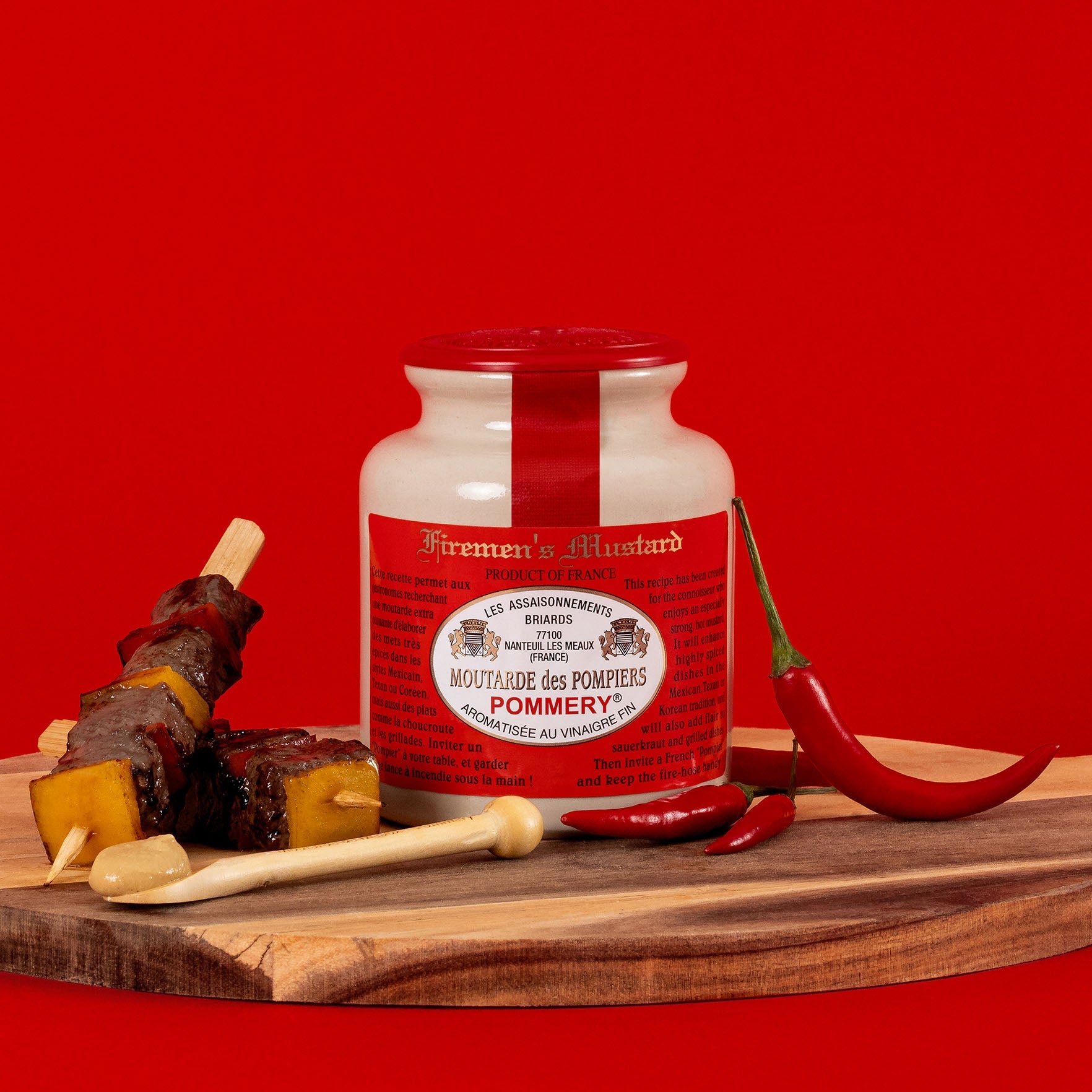
chili pepper : grilled meats, burgers, roasted vegetables, tacos
-
blackcurrant / fruity notes: duck breast, game, hard cheeses, "bistro" vinaigrettes
From seed to jar: how is mustard made?
Behind a jar of mustard lies a complex process: selection of the seeds, grinding (fine or coarse), maceration, seasoning, and then resting. This is where the texture ( smooth or grainy), the strength ( spiciness ), and the aroma are determined.
The types of seeds ( white, brown, black )
The final profile depends heavily on the mustard seeds :
-
White seeds : milder, ideal for round, approachable, sometimes "creamy" mustards
-
Brown seeds : more powerful, more “classic” for a mustard with character
-
Black seeds : very aromatic and often spicier (more specific, distinctive use)
Another key point is the grind. A very finely ground mustard will give a smoother texture and a more direct intensity. A coarser ground mustard (or one ground "with a mill") retains some texture and a different character.
The role of vinegar and verjuice
Two ingredients change everything: vinegar and verjuice .
-
Vinegar provides acidity, preservation and a lively “attack” that structures the mustard.
-
Verjuice (unripe grape juice) is sweeter, fruitier: it rounds out the mouth and often gives a more indulgent sensation.
In other words:
-
For a sharp, clean and "invigorating" mustard → use more vinegar.
-
for a rounder and more elegant mustard → verjuice (often) is more prominently featured.
How to use mustards properly in cooking?
To enhance your meats and charcuterie
Mustard loves fat and protein: it awakens meat, balances charcuterie, and transforms a sandwich.
Agreements (simple and effective):
-
Beef (ribeye steak, burger): Dijon mustard or chili mustard
-
pork (rib, roast): old-fashioned mustard / Meaux mustard
-
Lamb: Dijon mustard + herbs (rosemary, thyme)
-
Cured meats: wholegrain mustard (texture + indulgence)
How to make the perfect vinaigrette or mustard sauce
Mustard is an excellent emulsion base: it helps the oil and vinegar to bind together. The result: a stable, more coating, and more flavorful vinaigrette.
Mustard vinaigrette (base) :
-
1 tsp Dijon mustard
-
1 to 2 tablespoons of vinegar (or lemon)
-
salt, pepper
-
3 tbsp of oil (olive, rapeseed, walnut)
Tip: First mix mustard + vinegar + salt, then whisk in the oil in a thin stream.
Mustard sauce (quick) :
-
cream (or Greek yogurt) + Dijon mustard
-
pepper, herbs
-
a squeeze of lemon to "bring out" the aromas
Use mustard as a cooking binder (rabbit with mustard sauce, pie crusts)
Mustard also serves as a culinary “glue”: it fixes herbs, helps breadcrumbs to adhere, and deeply flavors.
Practical ideas:
-
Rabbit with mustard sauce : the mustard structures the sauce, balances the cream, and tenderizes the meat.
-
Pie bases: a thin layer of mustard under roasted tomatoes or vegetables protects the pastry and boosts the flavor
-
crusts & breading: mustard + herbs = perfect base before breading
Storage and selection: tips to never make a mistake
A few simple reflexes:
-
Choose according to the use: Dijon for emulsifying and "snapping", grain mustard for texture and roundness, flavoured for a twist.
-
Look at the list of ingredients: quality of the seeds, presence of verjuice , type of vinegar, herbs.
-
Mustard can be kept for a long time, but its spiciness can change: air and temperature variations oxidize it and gradually soften it.
Storage instructions (opened jar):
-
Close tightly (oxygen = loss of aromas).
-
avoid using a "dirty" spoon (risk of contamination),
-
Keep refrigerated if you want to preserve the strength and aromatic freshness.
Why does one sometimes "get angry"?
The sensation that "goes up to the nose" comes from aromatic compounds released when mustard seeds are crushed and come into contact with a liquid. It's a fleeting impression: it stings, then fades quickly.
From a nutritional standpoint, mustard is often a good ally:
-
It adds a lot of flavor for a small amount.
-
It can replace richer sauces (like mayonnaise) in certain recipes.
-
It stimulates the appetite and awakens the palate when eating "flat" dishes (steamed vegetables, white meats, vinaigrettes).
Did you know that?
It is sometimes said that the word “mustard” comes from the expression “moult me tarde” (“I am very eager”). This is an amusing folk etymology, often recounted as an anecdote. In practice, the main idea is this: mustard is a condiment that awakens and whets the appetite… it quickly enhances the dish!
FAQ – Frequently asked questions about mustards
What is the difference between Dijon mustard and Burgundy mustard?
The most significant difference isn't just the taste: it's the origin and the production method. Mustard labeled "Burgundy" is associated with a specific origin (notably through a geographical indication/quality label like the IGP Bourgogne , depending on the product) with criteria regarding the origin of the seeds and/or the geographical area. Dijon mustard , on the other hand, primarily describes a style (smooth texture, strength profile) and can be produced elsewhere depending on the recipe and the availability of ingredients.
How to store an opened jar of mustard?
To preserve its spiciness and aroma, keep it refrigerated , tightly closed, and avoid temperature fluctuations. Use a clean spoon and close it quickly.
Is mustard high in calories?
In general, mustard is low in calories compared to oil-rich sauces (like mayonnaise), because little of it is used and its base is mainly composed of seeds, water, vinegar / verjuice and seasoning.
What can I use to replace mustard in a recipe?
Depending on the objective:
-
For a spicy touch: horseradish or wasabi (use sparingly),
-
For creaminess/binding: lemon-flavored fresh cream (or yogurt + lemon),
- For aromatic acidity: a mixture of vinegar + herbs + a little garlic (less “mustardy”, but effective).
Discover our Pommery® Mustard collection