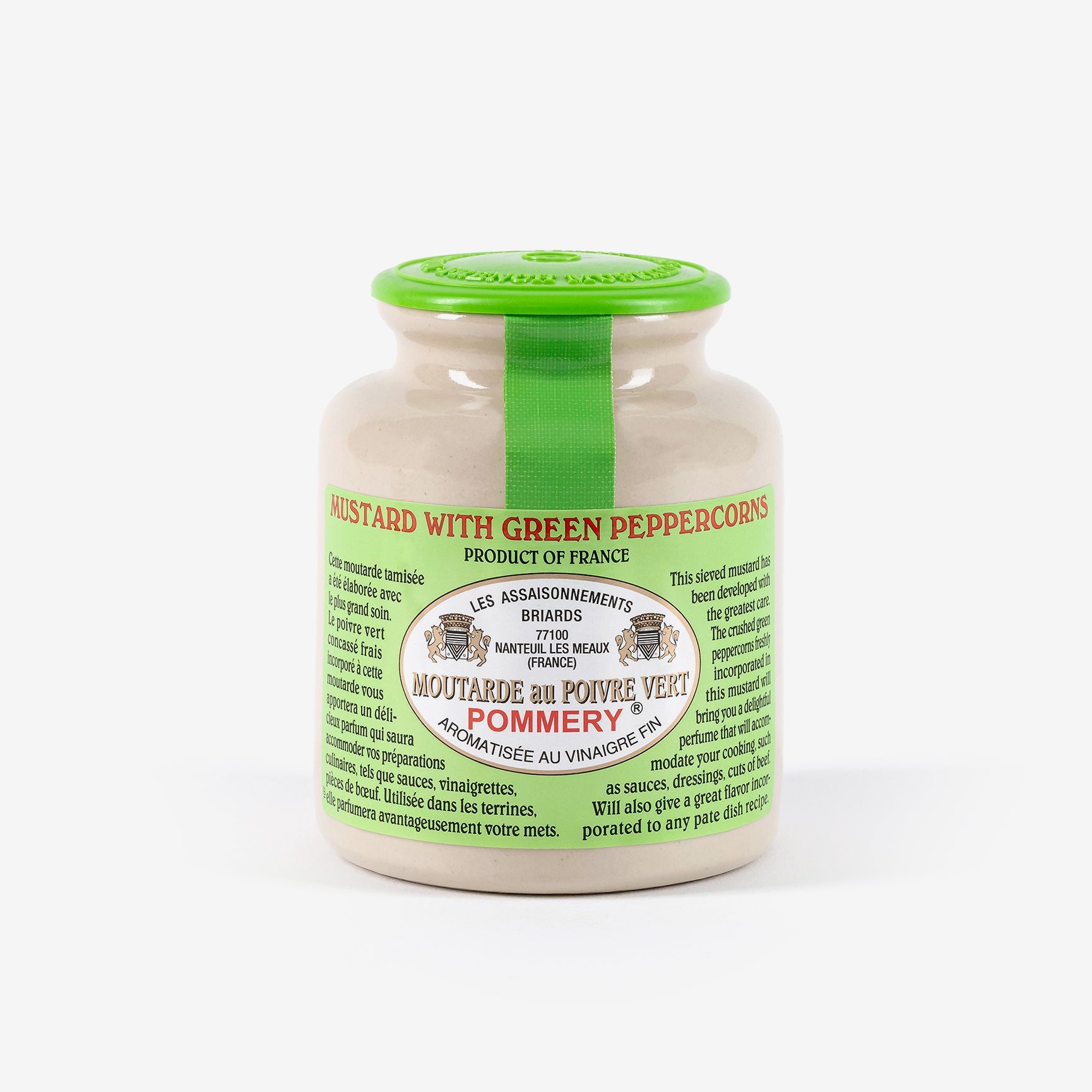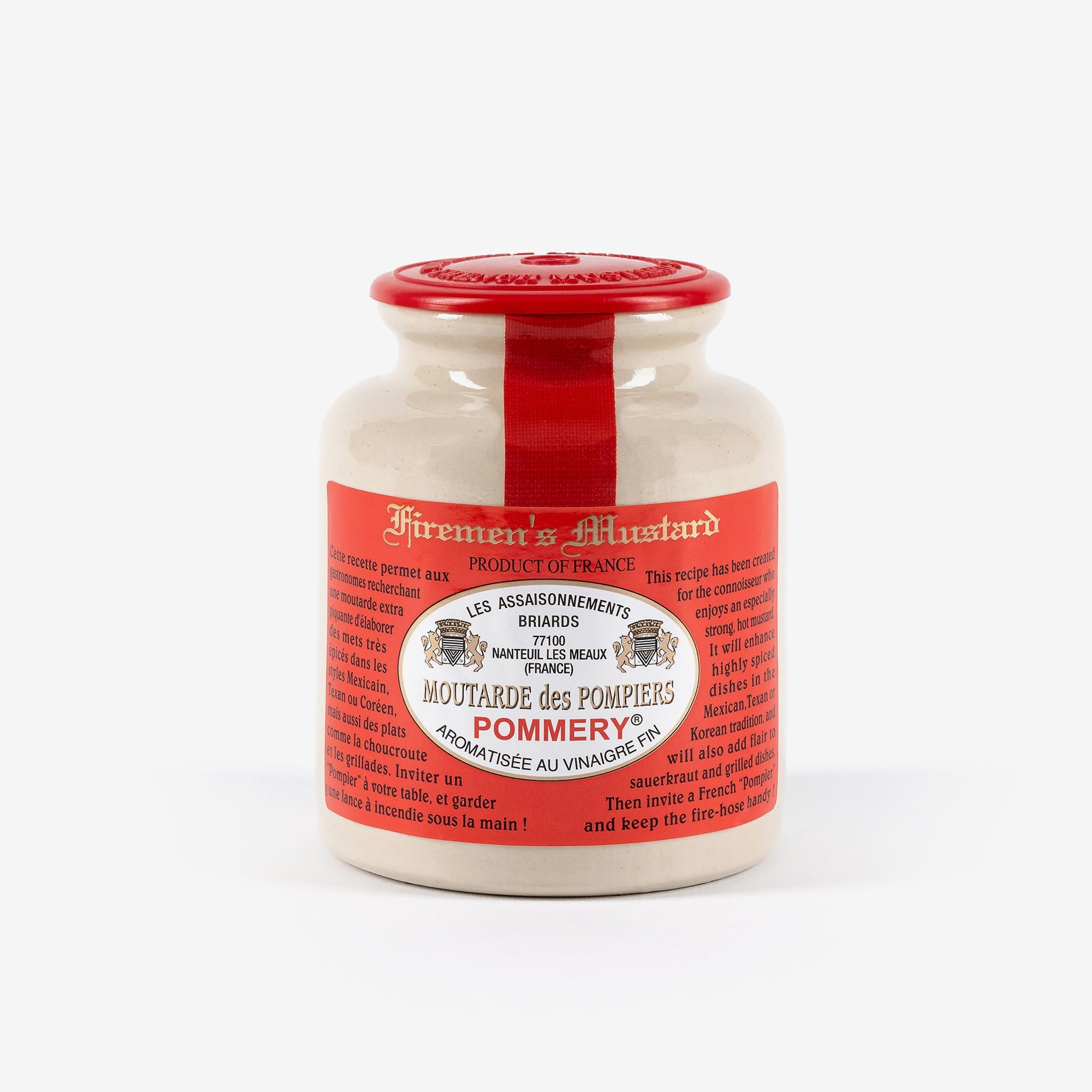

Walk down the aisle and a stoneware jar sits next to a plastic squeeze bottle, each claiming its own idea of what mustard should be. In France, the word "artisanal" actually has no strict legal definition for a food product — only the professional status of "artisan" is regulated, through the Répertoire des Métiers. So the difference between artisanal and industrial mustard is less about a regulated category than about concrete choices in method, ingredients, and priorities. Here's how the two approaches actually compare.
Production Methods
Artisanal Production
Artisanal mustard-making follows traditional techniques, starting with grinding the seeds between stone millstones. This time-honoured method, still used by some mustard makers today, crushes the seeds slowly without heating them, helping preserve their essential oils and natural aromas. This "cold" grinding limits the bitterness that can result from overheating the seeds.
- Time is another defining feature of this approach. Where industrial production favours speed, artisanal producers take the time the process needs: grinding can stretch over several hours, followed by a maturation period of several days.
- Production happens in small batches, typically a few dozen kilos at a time.
- Quality control rests on the direct expertise and supervision of the master mustard maker.
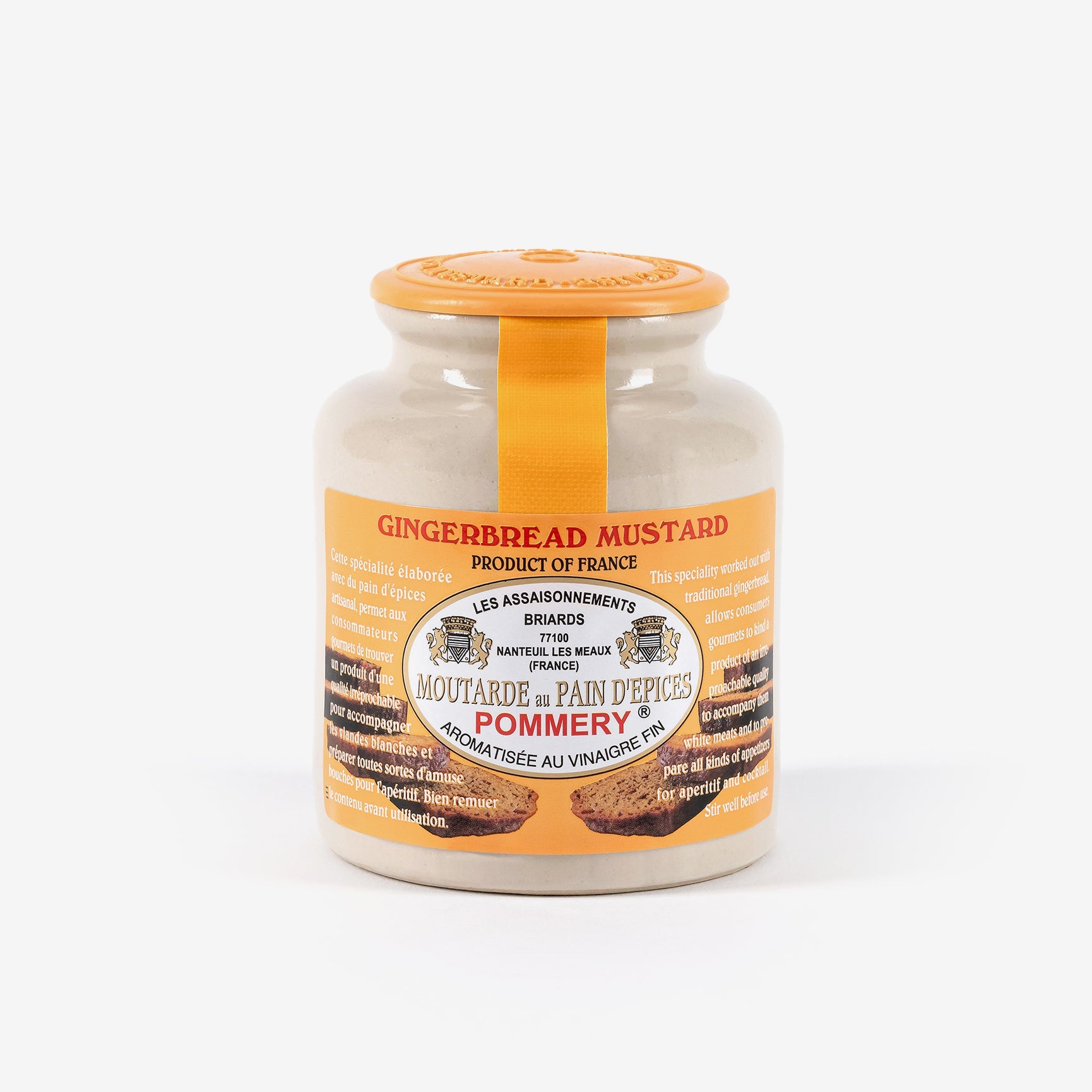
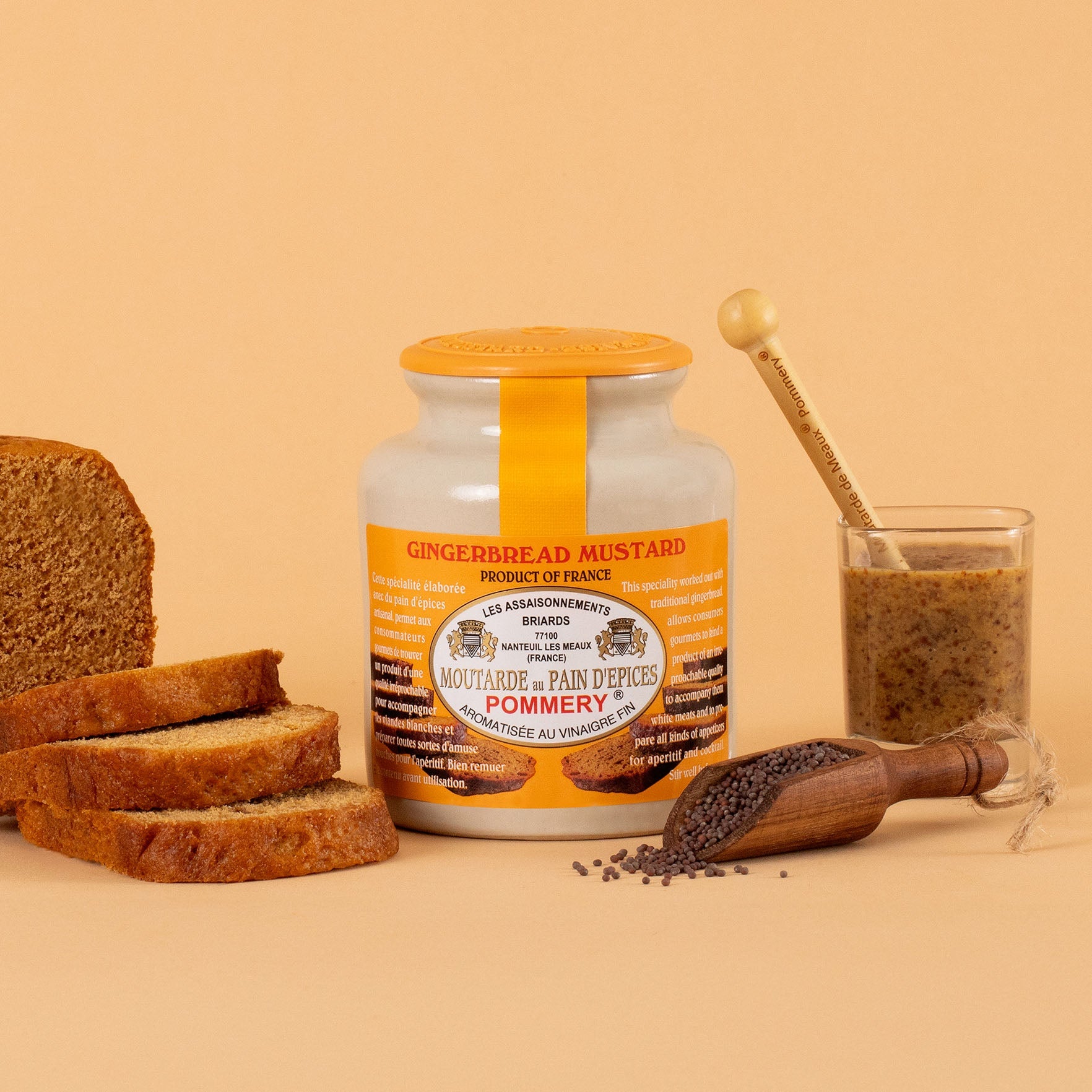
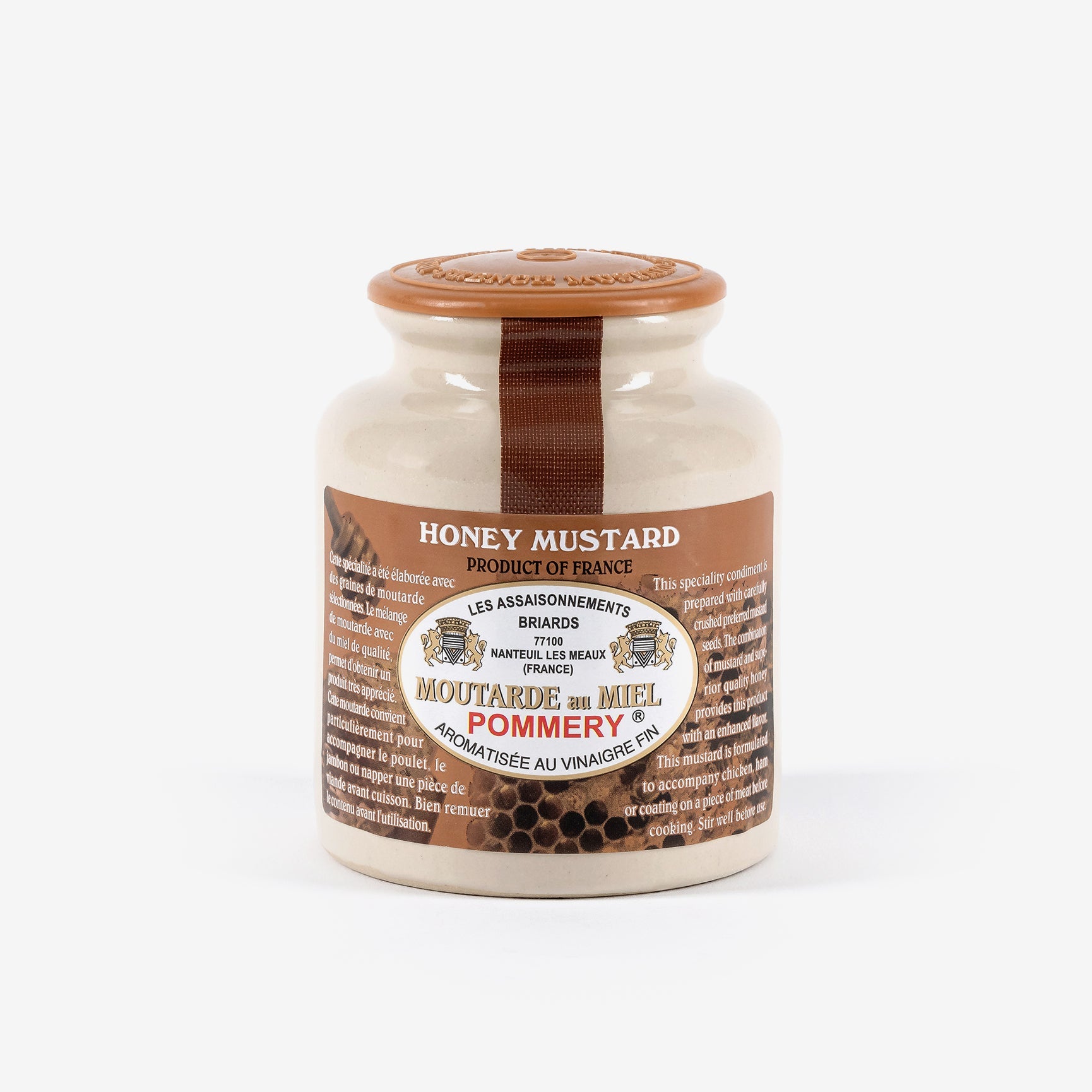
None of this means small-scale production and food-safety rigour are at odds. Pommery®, a family-owned mustard house in Nanteuil-lès-Meaux with fewer than ten employees, holds IFS Food certification and carries the Collège Culinaire de France's "Producteur Artisan de Qualité" label — two markers that show human-scale production can meet the same food-safety standards as larger-scale manufacturing.
Industrial Production
Industrial mustard production answers to different priorities: efficiency, consistency, and volume. Mechanisation is at its core — high-speed grinders, automated mixers, precise dosing systems — with output sometimes reaching several tonnes per hour.
- Yield is a central goal here, backed by significant investment in technology.
- Standardisation delivers a consistent finished product from batch to batch.
- Quality control relies on sophisticated automated systems and strict standards, ensuring a high level of food safety across large volumes.
Ingredient Selection and Quality
The Artisanal Approach
Sourcing raw materials is a major concern for artisanal mustard makers, who often favour short supply chains and a careful choice of suppliers.
- Seed selection gets particular attention — variety, size, colour, moisture content, aromatic potential. That level of care can mean paying more for supply, in exchange for a more distinctive flavour profile. Some houses also invest in building local supply chains: Pommery® has spent several years developing a French sourcing chain for brown mustard seed.
- Vinegar choice reflects this same diversity of approach: some artisans favour vinegars aged in oak barrels for their complex aromas, while others, like Pommery®, use a French white vinegar made from sugar beet with a neutral taste, letting the character of the seed take the lead. Salt can be chosen with similar care — sun-dried sea salt, for example.
- Additives tend to play a smaller role in artisanal production. To see this approach applied to a specific style, discover our artisanal Dijon mustard.
The Industrial Approach
Industrial sourcing follows a different logic, shaped by large volumes and economic constraints.
- Ingredient standardisation is essential here: seeds are graded to precise specifications to keep every batch consistent.
- Preservatives and additives are a standard part of many industrial productions, ensuring long shelf life and microbiological stability across large volumes distributed widely.
- Raw-material checks rely on extensive chemical and microbiological testing, ensuring food safety and regulatory compliance at scale.
Choosing between artisanal and industrial mustard isn't a matter of right or wrong — it comes down to priorities. Industrial mustard excels in consistency, availability, and everyday convenience; artisanal mustard wins people over with its authenticity, its nuanced flavour, and its ties to a particular place. Both meet their own standards of quality and food safety, each in their own way. In the end, tasting is the only way to form your own opinion — your palate will have the final say.